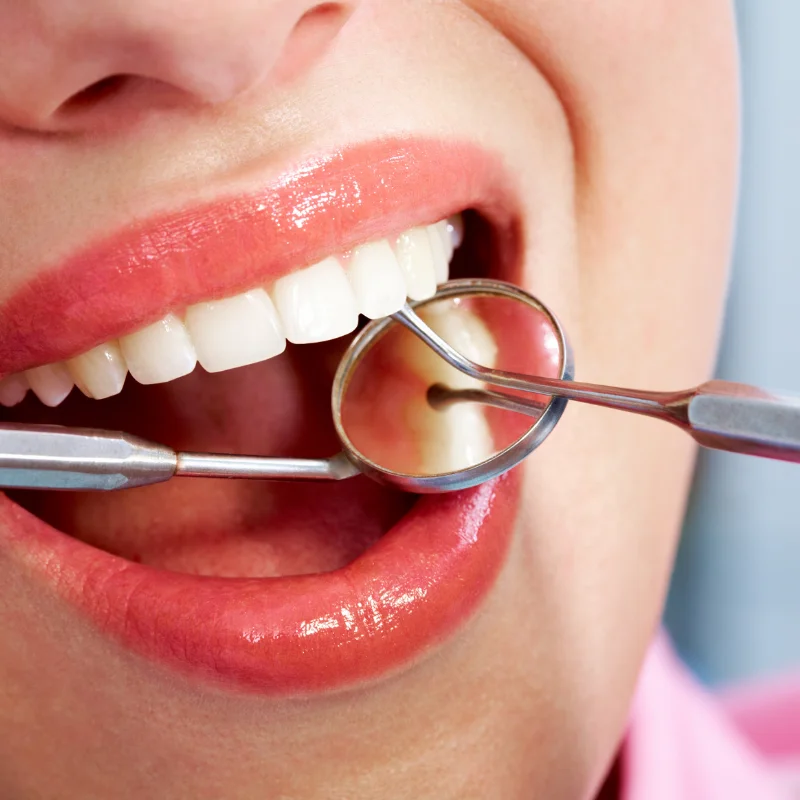
How we plan cosmetic treatment in London, Ontario
Cosmetic dentistry at Fairmont Dental Centre starts with a careful diagnostic visit, not a sales conversation. Before we recommend veneers, crowns, or bridges, Dr. Edward Pham or Dr. Alain David reviews your medical and dental history, takes digital photos and X-rays, and checks your gums, bite, and existing restorations. We look at the underlying health of each tooth, the way your upper and lower teeth meet, and any signs of grinding or clenching that could shorten the lifespan of cosmetic work.
From there we write a treatment plan that lists every recommended step, the materials we propose, the expected number of visits, and a clear cost estimate. If gum disease, decay, a failing filling, or an infected root needs to be addressed first, we explain why and sequence the work so cosmetic results rest on a stable foundation. This staged approach takes a little longer up front. It is one reason cosmetic restorations placed at our London clinic tend to hold up well over time.
- Diagnostic records: intra-oral photos, digital X-rays, and a full periodontal (gum) chart
- Smile assessment: tooth shape, length, colour, midline, gum line, and how your smile frames your face
- Bite and joint check: screening for grinding, clenching, and jaw-joint symptoms that can affect veneers and crowns
- Material discussion: porcelain, zirconia, ceramic, or composite, with the trade-offs in cost, strength, and appearance explained in plain language
- Written estimate: a per-tooth and total cost breakdown, plus an insurance pre-determination when you have coverage
Cosmetic dentistry costs and CDCP coverage in 2026
Cosmetic treatment is a meaningful investment, so we keep pricing transparent. Final fees follow the current Ontario Dental Association (ODA) Suggested Fee Guide and depend on the material, the number of teeth, and any preparatory work. The figures below are typical 2026 ranges in London, ON. Your written quote will always be specific to your mouth.
- Porcelain veneers: roughly $1,000 to $1,700 per tooth; composite (chairside) veneers are usually less
- Dental crowns: roughly $800 to $1,800 per tooth, depending on material (all-ceramic, zirconia, porcelain-fused-to-metal, or gold alloy)
- Traditional 3-unit dental bridge: roughly $1,500 to $4,000; implant-supported bridges cost more because they include implant surgery
- Additional services: diagnostic records, night guards, core buildups, or root canals are quoted separately when needed
The Canadian Dental Care Plan (CDCP) covers a defined list of medically necessary services for eligible Canadians, and Fairmont Dental Centre is a participating provider. CDCP generally helps with restorative work such as crowns and bridges when they are needed to repair or replace teeth. Purely cosmetic procedures like veneers are typically not covered. If you have private insurance, we submit a pre-determination so you can see what your plan will pay before you commit. We also offer direct billing where your insurer allows it and can break larger plans into staged appointments to fit your budget.
Choosing between veneers, crowns, and bridges
Patients often arrive unsure which treatment they actually need. The short version: veneers reshape the visible front surface of a tooth, crowns cover and protect an entire tooth that is structurally compromised, and bridges replace one or more teeth that are missing. Many smile makeovers combine more than one of these. Here is how we usually frame the decision during a consultation:
- Is the tooth still strong? If the tooth is mostly intact and the concern is colour, small chips, gaps, or shape, a veneer is often enough. If a large portion of the tooth is broken, heavily filled, or root-canal-treated, a crown is usually a more durable choice.
- Is the tooth missing? A bridge or implant becomes the conversation. A traditional bridge anchors to the neighbouring teeth. An implant-supported bridge avoids reshaping healthy teeth but requires adequate bone and a minor surgery.
- How heavy is your bite? Patients who grind or clench may do better with zirconia crowns and a custom night guard, since porcelain veneers can chip under repeated force.
- What is your timeline? Composite veneers and some same-day crown options can be completed in one visit. Porcelain veneers, zirconia crowns, and lab-fabricated bridges typically take two visits, plus lab time.
We never pressure patients into the most expensive option. If a simpler treatment like whitening, bonding, or a single crown solves the concern, that is what we recommend. When cosmetic dentistry is the right path, we walk you through risks and limits up front, including the fact that veneers and crowns involve some permanent change to the underlying tooth and will eventually need to be maintained or replaced.
Aftercare that helps cosmetic results last
Most cosmetic restorations at our London clinic last many years when they are cared for the same way you would care for healthy natural teeth. There is no special routine. Just steady daily habits and regular checkups so we can catch small issues early.
- Brush twice a day with a soft-bristled brush and fluoride toothpaste
- Floss daily, using floss threaders or interdental brushes around bridges
- Limit hard foods (ice, hard candy, popcorn kernels) and habits like chewing pens or fingernails
- If you grind or clench, wear the custom night guard we provide
- Cut back on staining drinks like coffee, tea, and red wine, especially with composite veneers
- Book a checkup and professional cleaning every six months so we can monitor the margins of every crown, bridge, and veneer
If a veneer chips, a crown feels loose, or a bridge starts to catch food in a new way, call us at (519) 451-4490 or email info@fairmontdental.ca. Catching small problems early is almost always faster, more comfortable, and less expensive than waiting.