
Everything you need to know
What Is Root Canal Treatment?
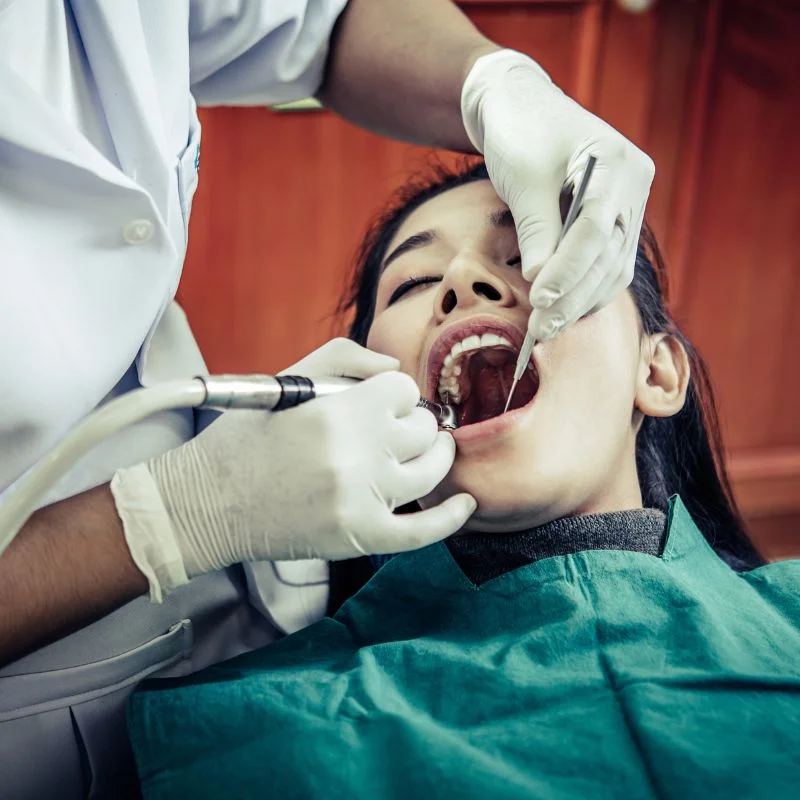
During root canal treatment, the infected pulp is removed. The inside of the tooth is cleaned and sealed. This helps stop infection and allows the tooth to function normally.
Root canal treatment helps preserve your natural tooth. Keeping your natural tooth helps maintain chewing function and supports overall oral health.
Signs You May Need a Root Canal
Root canal treatment may be recommended when infection affects the pulp inside the tooth.Symptoms may vary depending on the severity of the infection.
Common signs include:
- Tooth pain, especially when chewing
- Sensitivity to hot or cold
- Swelling of the gums
- Tenderness near the tooth
- Darkening of the tooth
- Persistent discomfort
In some cases, infection may not cause obvious symptoms. Dental exams and X-rays help detect problems early.
If the infection is not treated, it can spread and lead to more serious complications. Same-day emergency dental care in London is available at our clinic when symptoms are urgent
Root Canal Procedure Explained
Root canal treatment is performed using careful techniques designed to remove infection and protect the tooth.
Examination and Diagnosis
Your dentist examines the tooth and may take X-rays. This helps identify infection and evaluate the root structure.
Local Anesthesia
Local anesthesia is used to numb the area. This helps ensure comfort during the procedure.
Removing the Infection
A small opening is made in the tooth. The infected pulp is removed, and the inside of the tooth is cleaned.
Cleaning and Sealing
The root canals are carefully cleaned and sealed. This helps prevent future infection.
Final Restoration
After root canal treatment, the tooth may need a dental crown in London or further restoration to protect its structure. Your dentist will explain the next steps if needed.
Recovery After Root Canal Treatment
Recovery after root canal treatment varies depending on the severity of the infection and the condition of the tooth.
Common symptoms after treatment may include:
- Mild tenderness
- Minor discomfort when chewing
- Temporary sensitivity
These symptoms usually improve over several days.
Healing Timeline
Most patients return to normal activities shortly after treatment. Full healing of the surrounding tissues may take longer.
Caring for the Treated Tooth
To support healing:
- Follow your dentist’s instructions
- Avoid chewing hard foods on the treated side
- Maintain good oral hygiene
- Attend follow-up visits if recommended
Proper care helps protect the treated tooth.
Benefits of Root Canal Treatment
Root canal treatment provides several important benefits.
Benefits include:
Removing infection
Relieving discomfort
Preserving the natural tooth
Preventing further complications such as oral surgery or tooth loss
Restoring normal function
Saving your natural tooth helps maintain proper bite alignment and oral health.
Cost of Root Canal Treatment in London, ON
The cost of root canal treatment depends on the tooth and the complexity of the infection.
As general guidance:
- Front tooth root canal often ranges from approximately $600 to $900
- Premolar root canal often ranges from approximately $700 to $1,000
- Molar root canal often ranges from approximately $900 to $1,500
Final costs depend on:
- Location of the tooth
- Severity of infection
- Complexity of treatment
- Imaging required
We provide a written estimate before treatment begins.
Insurance Coverage
Many dental insurance plans cover part of root canal treatment. Coverage varies depending on your policy.
We offer direct billing when available and can help review your insurance benefits.
Direct billing & CDCP. We bill most insurance providers directly and participate in the Canada Dental Care Plan. Ask us for a written estimate before treatment begins — no surprises.
Preventing Tooth Infection
Regular dental exams help detect tooth problems early. Preventive care reduces the risk of infection.
Maintaining good oral hygiene helps protect your teeth.
To reduce the risk of infection:
- Brush twice daily
- Floss daily
- Attend regular dental visits
- Treat cavities early with fillings or restorations
Early treatment helps prevent more complex dental procedures.
Meet Our Dentists
Fairmont Dental Centre is led by Dr. Edward Pham and Dr. Alain David , experienced general dentists serving London, Ontario.
They provide root canal treatment within the scope of general dentistry. Their focus is on careful diagnosis, patient comfort, and clear communication.
If a case requires specialized care, they will explain referral options and help coordinate treatment.
Our clinic has served the London community for over 35 years.
Why Choose Fairmont Dental Centre for Root Canal Treatment?
Fairmont Dental Centre is located at 613 Hamilton Road , making it accessible for patients across London. It can be reached easily from downtown London via Dundas Street and from east London via Highbury Avenue.
Patients choose our clinic because we offer:
- Over 35 years serving London families
- Evening appointments
- Saturday appointments
- Same-day visits when available
- Clear treatment plans and written estimates
- Direct billing to insurance providers when available
We focus on providing steady, patient-centered care.
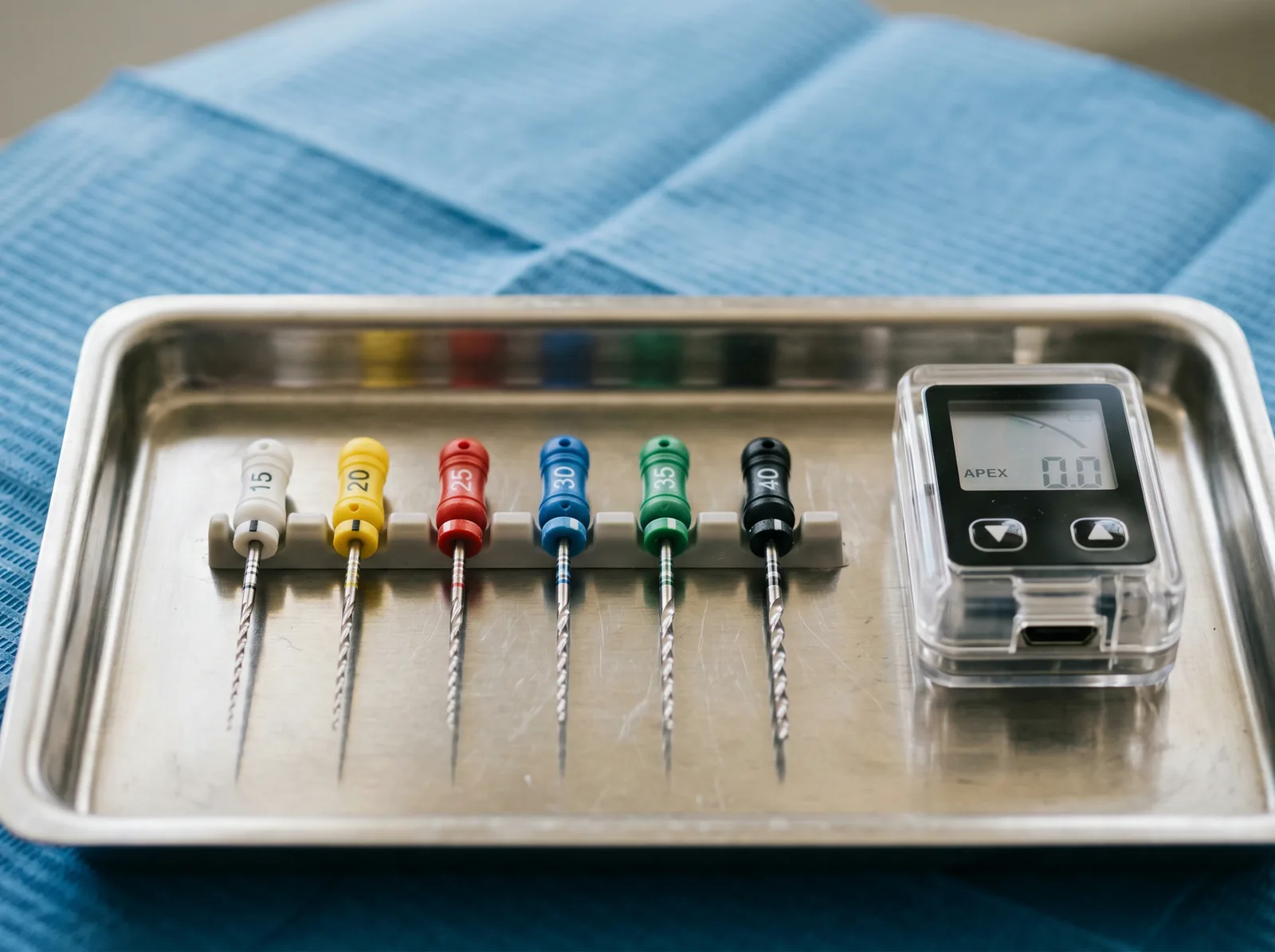
The reputation of root canal therapy is decades behind the procedure itself. Today's techniques combine effective local anesthesia, rotary nickel-titanium files, apex locators, and rubber-dam isolation. For most patients, the appointment feels similar to having a large filling placed. Pressure and vibration are noticeable; sharp pain is not. The discomfort patients describe is almost always from the infection itself (which is what brought them to the chair), not from the treatment.
Treatment for a single-rooted front tooth often takes about 60 to 90 minutes. A multi-rooted molar may need 90 to 120 minutes, sometimes split across two appointments depending on infection level and root anatomy. Between visits, a temporary filling protects the tooth.
2026 Cost Ranges and CDCP Coverage
The figures below sit within the 2026 Ontario Dental Association Suggested Fee Guide for general practitioners. Endodontists (specialists) generally charge somewhat higher fees; we will discuss whether a referral is appropriate during your consultation.
- Diagnostic exam and periapical radiograph: about $80 to $130
- Anterior (front) tooth root canal: about $600 to $900
- Premolar root canal: about $700 to $1,100
- Molar root canal: about $900 to $1,500
- Re-treatment of a previous root canal: about $1,000 to $1,800
- Post-and-core build-up (if needed before a crown): about $250 to $450
- Dental crown to protect the treated tooth: about $1,100 to $1,800
Fairmont Dental Centre is a Canadian Dental Care Plan participating provider. Root canal treatment on permanent anterior teeth, bicuspids, and molars is a listed service under the CDCP Dental Benefits Guide. Most root canals require pre-authorization, which our team submits to Sun Life on your behalf along with diagnostic radiographs. Co-payments depend on adjusted family net income (0% under $70,000, 40% from $70,000 to $79,999, 60% from $80,000 to $89,999). The crown that usually follows treatment on a back tooth is also a CDCP benefit but needs its own pre-authorization.
Recovery, Aftercare, and Long-Term Success
Most patients drive themselves home, return to work or school the same day or the next, and resume normal eating once the freezing wears off (a few hours). Mild tenderness when biting on the treated tooth is common for the first few days and usually responds to over-the-counter ibuprofen taken at recommended doses. Aftercare looks like:
- First 24 hours: Avoid chewing on the treated side until the freezing wears off. Eat softer foods.
- Days 1 to 7: Continue gentle brushing and flossing around the area. Mild bite tenderness is normal as ligaments around the root settle.
- Within 2 to 4 weeks: Return for the permanent restoration (filling or crown) if it was not completed at the root canal visit. Putting this step off is a common reason treated teeth fail later.
Research published by the Canadian and American Associations of Endodontists puts the long-term success rate of root canal therapy at roughly 86 to 95% when the tooth is restored promptly and maintained with good oral hygiene. A well-fitted permanent restoration is what protects the tooth from fracture and re-infection over time.
Root Canal vs. Extraction and Implant: What to Weigh
When a tooth is infected, the two main paths forward are root canal therapy or extraction (often followed by a dental implant or bridge). Key considerations:
- Root canal therapy preserves the natural tooth, root, and surrounding bone. It is usually quicker overall, less surgical, and often less expensive than extraction plus implant.
- Extraction and implant may be the more practical option when a tooth is severely cracked below the gumline, has lost too much structure to restore, or has failed prior endodontic treatment more than once.
- Doing nothing is not a neutral choice. Infection inside a tooth tends to progress, can spread to the jawbone, and may cause swelling, fever, or a dental abscess that requires emergency care.
When to Call vs. Schedule Normally
Call (519) 451-4490 the same day if you have throbbing tooth pain that disturbs sleep, swelling of the gum or face, a pimple-like bump on the gum near a tooth, fever combined with tooth pain, or pain that prevents you from eating or working. Book within one to two weeks for lingering cold or heat sensitivity that lasts more than 30 seconds, a tooth that has darkened compared to its neighbours, or mild discomfort biting on a tooth that is otherwise stable. Same-day emergency visits are available when our schedule allows.