
Everything you need to know

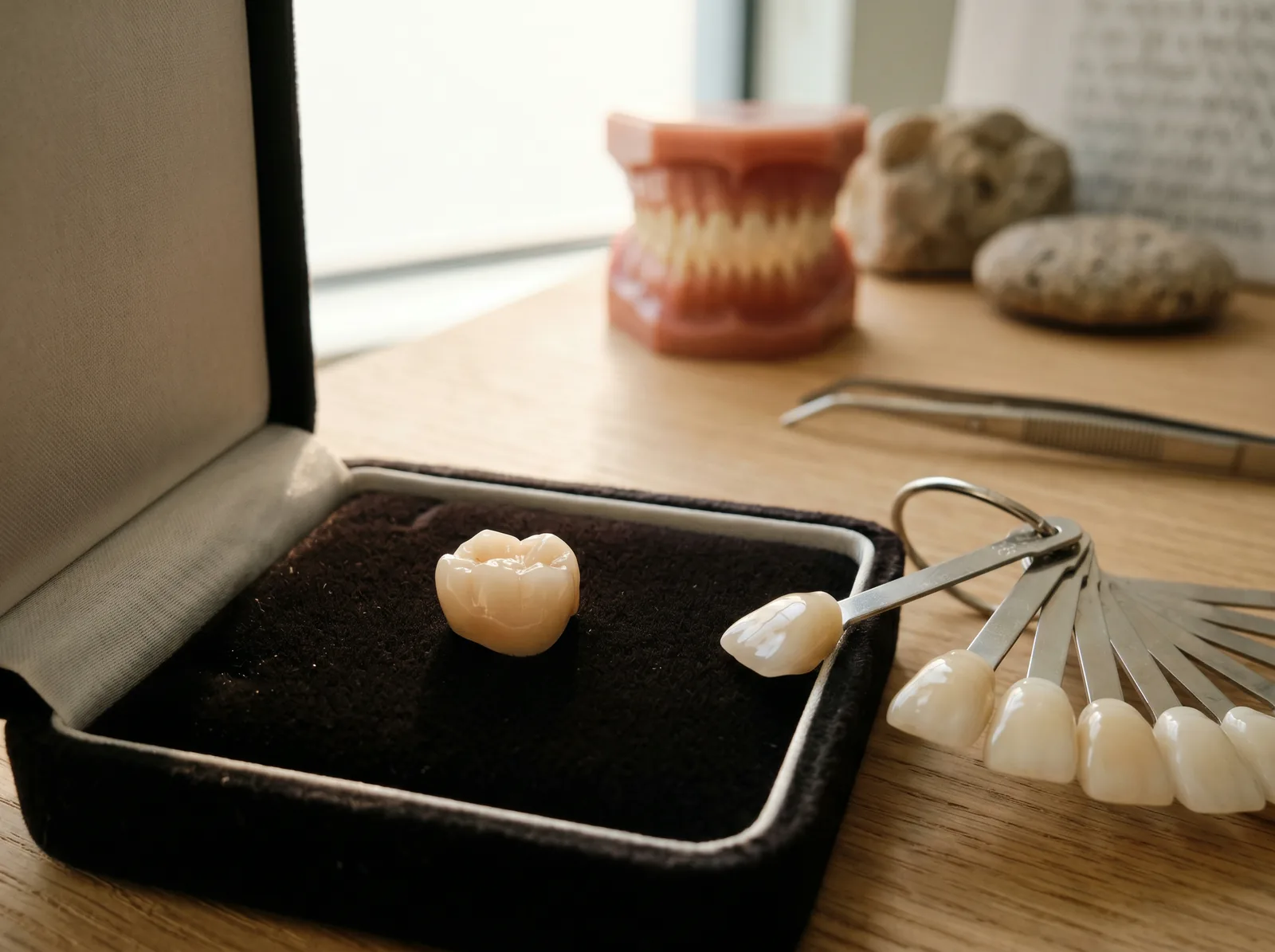
What Is a Dental Crown?
Crowns are often used when a tooth cannot be repaired with a simple filling. They provide support and help protect the remaining tooth structure from further damage.
When Do You Need a Crown?
A dentist may recommend a crown if you have:
- A cracked or fractured tooth
- A tooth weakened by a large filling
- A tooth that has had a root canal
- Severe wear from grinding
- A misshaped or discoloured tooth
Crowns are both restorative and cosmetic. They can improve the function of your tooth and enhance the look of your smile at the same time.
Types of Dental Crowns
There are several types of dental crowns. The right choice depends on the location of the tooth, your bite, and your preferences.
Porcelain or All-Ceramic Crowns
These crowns match the natural colour of your teeth. They are often used for front teeth because they provide a natural look.
Zirconia Crowns
Zirconia is strong and durable. It is commonly used for back teeth that handle more chewing pressure.
Porcelain-Fused-to-Metal Crowns
These crowns combine strength and appearance. They have a metal base with a porcelain outer layer.
Gold Alloy Crowns
Gold crowns are very durable and may be recommended for back teeth. They are less common for visible areas.
Your dentist will explain the pros and cons of each material and help you choose the best option for your needs.
What to Expect During the Crown Process
Getting a dental crown usually takes two visits.
First Visit: Preparation
The tooth is examined and X-rays may be taken. Local anesthetic is used to keep you comfortable. The tooth is gently shaped to make room for the crown. An impression or digital scan is taken to create your custom crown. A temporary crown is placed to protect the tooth.
Second Visit: Placement
Once the final crown is ready, the temporary crown is removed. The dentist checks the fit, bite, and colour. If everything looks and feels correct, the crown is cemented into place.
Cost of Dental Crowns in London, ON
The cost of a dental crown varies based on several factors. In Ontario, crowns often range from approximately $800 to $1,800 per tooth . The final cost depends on:
- The type of material used
- The location of the tooth
- The complexity of the procedure
- Whether additional treatment, such as a buildup or root canal , is required
At your consultation, we will provide a clear written estimate before treatment begins.
Direct billing & CDCP. We bill most insurance providers directly and participate in the Canada Dental Care Plan. Ask us for a written estimate before treatment begins — no surprises.
Are Dental Crowns Painful?
The procedure is performed under local anesthesia, so you should feel little or no discomfort during tooth preparation. Some mild sensitivity may occur afterward, but it usually improves within a few days.
If you experience ongoing pain or discomfort after placement, contact our office for evaluation.
How Long Do Dental Crowns Last?
- Daily oral hygiene
- Regular dental visits
- Avoiding hard or sticky foods
- Managing teeth grinding if present
Crowns are strong, but they are not indestructible. Regular checkups allow us to monitor the crown and surrounding tooth structure.
Caring for Your Dental Crown
Caring for a crowned tooth is similar to caring for natural teeth.
- Brush twice daily with fluoride toothpaste
- Floss daily, especially around the crown margin
- Avoid chewing ice or very hard objects
- Visit the dentist for routine cleanings and exams
If a crown becomes loose or falls off, call us as soon as possible. Avoid chewing on that side until you are seen.
Why Choose Fairmont Dental Centre for Dental Crowns?
Choosing the right clinic for dental crowns in London, ON can make a difference in your comfort and outcome.
Our office is located at 613 Hamilton Road , easily accessible from downtown London via Dundas Street or Hamilton Road. We are also convenient for patients traveling along Highbury Avenue.
Patients choose Fairmont Dental Centre because we offer:
- Over 35 years of community service
- Evening appointments
- Saturday appointments
- Same-day consultations when available
- Clear treatment planning and written estimates
- Direct billing to insurance providers when available
- Multiple payment options including Visa, Mastercard, debit, and cash
We focus on steady, reliable care for every patient.
Meet Our Dentists
Fairmont Dental Centre is led by Dr. Edward Pham and Dr. Alain David , experienced general dentists serving London, Ontario.
They provide restorative and cosmetic treatments in London , including dental crowns, within the scope of general dentistry. They focus on careful diagnosis, clear communication, and patient comfort.
If your case requires specialized care beyond general dentistry, we will explain the referral process and help coordinate treatment. Our London dental clinic has proudly supported the London community for over 35 years.
Who is a good candidate for a dental crown?
A crown is usually the right choice when a tooth has lost too much structure for a filling to hold reliably, or when the tooth is at risk of fracturing under normal chewing forces. During your consultation at our London clinic, Dr. Edward Pham or Dr. Alain David will examine the tooth, review X-rays, and discuss whether a crown is the right next step or whether a more conservative treatment will do the job.
Common reasons we recommend a crown include:
- A tooth that has cracked through a cusp or has a visible fracture line
- A tooth that has already received a root canal and needs full coverage to stay intact
- A tooth with a very large existing filling that is starting to leak or chip
- A back tooth showing heavy wear from grinding or clenching
- A front tooth that is discoloured, misshapen, or worn in a way that a veneer cannot address
- A tooth supporting one end of a dental bridge
Patients who grind or clench heavily, smoke, or have ongoing gum disease may need additional treatment first. We will be clear about any preparatory work (a periodontal cleaning, a filling buildup, or a custom night guard) before placing the crown, so your investment is protected from day one.
Crown costs, CDCP coverage, and insurance in 2026
In London, Ontario, dental crowns typically run about $800 to $1,800 per tooth in 2026, based on the current Ontario Dental Association Suggested Fee Guide. The final figure depends on:
- Material: all-ceramic and zirconia crowns generally sit at the higher end of the range; porcelain-fused-to-metal and gold alloy may be priced differently depending on metal market rates
- Lab fees: custom shading and characterization for front teeth add to the lab cost
- Preparatory work: a core buildup, post, or root canal is quoted separately when the tooth needs additional support
- Same-day technology: chairside-milled crowns may differ in price from lab-fabricated crowns
Most private dental plans cover a portion of crown treatment under major restorative benefits, usually at 50% to 80% after your deductible, up to the annual maximum. Fairmont Dental Centre is a participating Canadian Dental Care Plan (CDCP) provider, and CDCP may cover eligible crown treatment for qualifying patients when it is medically necessary to repair or restore the tooth. We submit a pre-determination to your insurer before treatment whenever possible, so you get a clear breakdown of what is covered and what your out-of-pocket cost will be. We also offer direct billing where your insurer allows it, and accept Visa, Mastercard, debit, cash, and CDCP.
Recovery, sensitivity, and what to watch for after a crown
The crown procedure itself is performed under local anaesthetic so the tooth is comfortably numb. Once the anaesthetic wears off, usually two to four hours later, most patients feel only mild tenderness around the gum line and the tooth being treated. Over-the-counter pain relievers used as directed are usually enough to manage this. Heavy throbbing, pain that builds over several days, or a fever is not normal and should be reported to our office promptly.
While you are wearing the temporary crown between visits, keep these guidelines in mind:
- Avoid sticky foods such as caramel, taffy, and chewing gum, which can pull the temporary off
- Chew on the opposite side when possible to limit pressure on the temporary
- Floss carefully: slide floss out the side rather than pulling it up through the contact, so the temporary stays in place
- If the temporary comes off, save it and call us. Do not glue it back in with household adhesive
After the final crown is cemented, mild sensitivity to cold can persist for one to two weeks while the tooth settles. If your bite feels even slightly off when you tap your teeth together, call us for a short adjustment appointment. An unbalanced bite is the most common reason a newly crowned tooth feels sore, and a quick polish of a high spot usually resolves the problem the same day. Long-term, a crown should feel and function like a natural tooth. You should be able to chew, floss, and brush around it the same way you do anywhere else in your mouth.